Mirtoon Font for Web Design
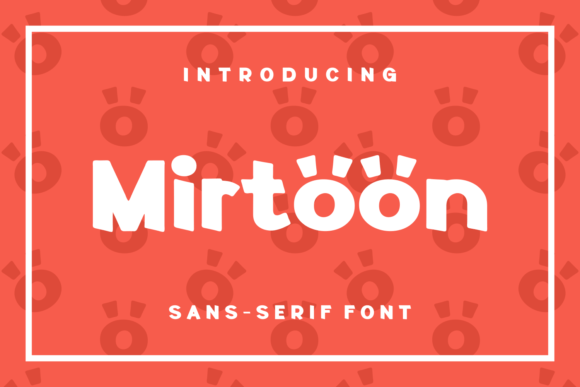
Mirtoon is a cool and unique display font that brings a fresh visual identity to web design projects. As a digital creator, you know the importance of choosing the right typeface to enhance readability, brand tone, and user engagement. Mirtoon offers a refined balance of detail and legibility, making it ideal for website headers, hero sections, and other key design elements.
Mirtoon for Website Headers and Hero Sections
Mirtoon is a display font that excels in website headers and hero sections, where bold typography can make a strong first impression. Its neat craftsmanship ensures that even at larger sizes, the font remains clean and professional. For landing pages or SaaS websites, using Mirtoon as the primary heading font can help establish a modern, creative tone without sacrificing clarity.
When designing a hero section, consider pairing Mirtoon with a simple sans serif font for body text. This contrast creates a clear visual hierarchy, guiding users through the content while maintaining an elegant aesthetic. The font’s detailed strokes also add a touch of sophistication, perfect for luxury brands, creative agencies, or tech startups looking to stand out.
Mirtoon for Call-to-Action Buttons and Short Phrases
Mirtoon is well-suited for call-to-action buttons and short phrases that need to grab attention quickly. Its unique character shapes and subtle variations make it ideal for buttons that require a bit of personality without being overwhelming. Whether you're designing a product landing page or a course sales page, Mirtoon can help your CTA stand out while still feeling approachable.
On mobile screens, ensure that the font size is large enough to remain readable. Avoid using Mirtoon on small buttons or dark backgrounds where the details might get lost. Instead, use it for larger, more prominent elements like main navigation links, feature highlights, or promotional banners. This approach maintains both usability and visual appeal across different devices.
Mirtoon for Online Store Banners and Branding Elements
Mirtoon is a powerful tool for online store banners and branding elements, especially when you want to create a cohesive and memorable brand identity. Its detailed structure adds a level of uniqueness that can differentiate your e-commerce site from competitors. Whether you're running a boutique online store or a lifestyle brand, Mirtoon can help reinforce your brand’s personality through typography.
For social media graphics or digital ads, Mirtoon works well as a decorative accent or headline. Its stylized characters add visual interest without distracting from the main message. When used in conjunction with a neutral background, the font can draw attention to key selling points or promotions, increasing the likelihood of user interaction.
Mirtoon for Blog Headers and Content Sections
Mirtoon is a great choice for blog headers and content sections where you want to maintain a clean yet expressive design. Its structured yet artistic style makes it ideal for headlines that need to be both informative and visually engaging. Whether you're writing about digital marketing, web design trends, or creative workflows, Mirtoon can help set the tone for your content.
In a blog layout, pair Mirtoon with a serif or sans serif font for body copy to ensure readability. This combination helps guide the reader through the content while keeping the overall design consistent. Use Mirtoon sparingly—perhaps for subheadings or featured posts—to avoid overwhelming the reader with too much visual complexity.
Mirtoon for Creative Portfolios and Digital Brand Kits
Mirtoon is an excellent addition to creative portfolios and digital brand kits, where typography plays a crucial role in storytelling and visual identity. Its detailed nature allows for a sense of craftsmanship that aligns well with creative industries such as graphic design, illustration, or photography. Using Mirtoon in a portfolio site can help convey professionalism and artistic flair simultaneously.
For brand kits, consider using Mirtoon in logo design, business cards, or email templates. Its versatility makes it suitable for both digital and print applications. When selecting font weights or styles, check if Mirtoon includes alternates or multilingual support to ensure it meets your specific project needs. This level of customization can elevate your brand’s visual consistency across all platforms.
Mirtoon for Responsive Layouts and Mobile Optimization
Mirtoon performs well in responsive layouts, but its effectiveness depends on how it's implemented. On smaller screens, ensure that the font size is adjusted appropriately to maintain readability. Avoid using Mirtoon for long paragraphs or dense blocks of text, as its intricate details may reduce legibility at smaller sizes.
When using Mirtoon on dark backgrounds or image overlays, test the contrast carefully. The font’s fine lines and curves should still be visible without appearing washed out. For best results, use it for short phrases or headings rather than extended text. This approach keeps your design clean and easy to navigate across all devices.
Mirtoon for Font Pairing and Editorial Design
Mirtoon pairs well with a variety of other fonts, allowing for flexible design choices in editorial or content-heavy projects. For a balanced look, combine it with a simple sans serif for body text or a serif font for a more traditional feel. This pairing enhances readability while maintaining a cohesive visual language.
When working on editorial designs, such as magazine layouts or blog templates, Mirtoon can serve as a headline font that adds character without overpowering the content. Its structured yet stylish appearance makes it ideal for titles, captions, or featured sections. Experiment with different font sizes and spacing to find the right rhythm for your layout.
Mirtoon for Commercial Projects and Licensing
If you're using Mirtoon for commercial projects, such as client websites, online stores, or digital templates, make sure to check the font’s licensing terms. Most premium fonts include a commercial license that covers use on websites, apps, and other digital assets. Confirm that the license allows for redistribution if you're offering templates or design packages.
For client work, always clarify font usage rights before finalizing a project. Some licenses restrict how the font can be used, so it's important to understand the scope of your permissions. By ensuring proper licensing, you protect both your work and your clients’ interests, avoiding potential legal issues down the line.